

Address: 93B, No. 14, Huanke East 1st Road, Jinqiao Science & Technology Industrial Base, Tongzhou District, Beijing City
Country: China
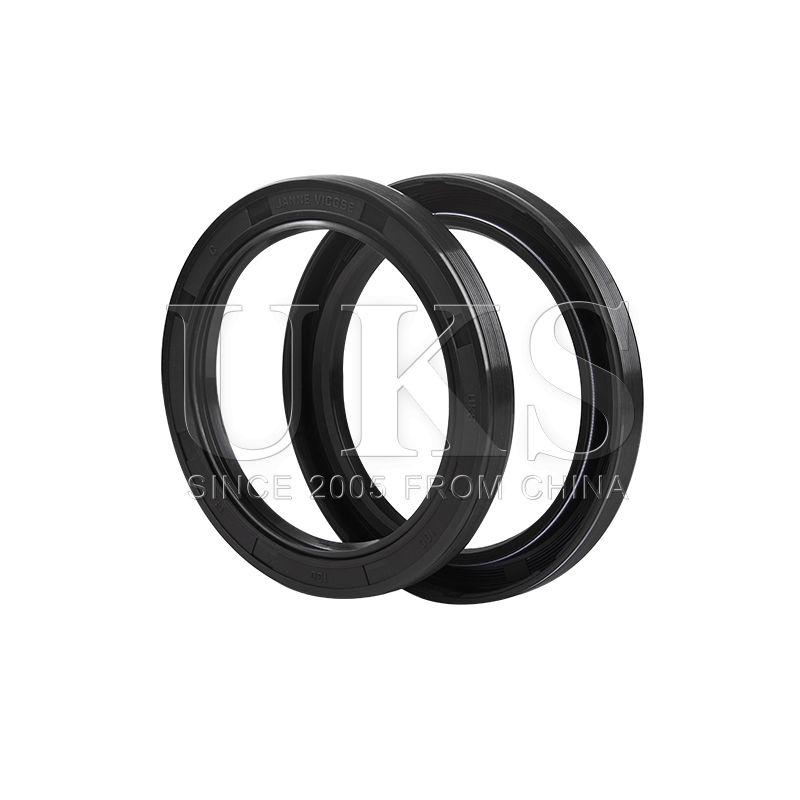
TCG Oil Seal (NBR)
Price:
Features: Safe, stable, highly versatile
Description:
- 1. Linear sealing design, with a smaller friction area and less heat generated by friction;
- 2. Large oil storage grooves ensure that the lubrication system operates more stably;
- 3. Good elasticity of the lip seal, with more balanced pressure on the shaft and stronger compensation ability, extending the service life;
- 4. Raw materials from German Lanxess and scientific production control processes make the products unique from the very beginning.
- 1. Linear sealing design, with a smaller friction area and less heat generated by friction;
- 2. Large oil storage grooves ensure that the lubrication system operates more stably;
- 3. Good elasticity of the lip seal, with more balanced pressure on the shaft and stronger compensation ability, extending the service life;
- 4. Raw materials from German Lanxess and scientific production control processes make the products unique from the very beginning.
Technical parameters
Material: NBR (Nitrile Butadiene Rubber)
Working Temperature: -30°C to 120°C
Hardness: Shore A 70–72
Shaft Diameter Range: 4 mm – 1450 mm+ (customizable)
Outer Diameter Range: 12 mm – 1500 mm+ (customizable)
Thickness Range: 5 mm – 25 mm+ (customizable)
Spring Type: With spring
Maximum Working Pressure: ≤ 0.05 MPa
Maximum Linear Speed: 12 m/s
Applicable Media: Oil, engine oil, grease, lubricating oil, and similar fluids
Reference Standards: DIN 3760-1996, GB/T 9877-2008, UKS ISO 6194/1-1990
Working Temperature: -30°C to 120°C
Hardness: Shore A 70–72
Shaft Diameter Range: 4 mm – 1450 mm+ (customizable)
Outer Diameter Range: 12 mm – 1500 mm+ (customizable)
Thickness Range: 5 mm – 25 mm+ (customizable)
Spring Type: With spring
Maximum Working Pressure: ≤ 0.05 MPa
Maximum Linear Speed: 12 m/s
Applicable Media: Oil, engine oil, grease, lubricating oil, and similar fluids
Reference Standards: DIN 3760-1996, GB/T 9877-2008, UKS ISO 6194/1-1990
UKS supports full-series custom manufacturing of skeleton oil seals. Non-standard designs can be tailored according to equipment structure, working conditions, and installation space, effectively solving problems such as mismatch of standard parts, sealing failure, and installation limitations.
Why Are Skeleton Oil Seals Made of NBR (Nitrile Rubber)?
Excellent Oil Resistance
The biggest advantage of NBR is its outstanding oil resistance. It has excellent compatibility with mineral oils, engine oils, gear oils, hydraulic oils, and other industrial lubricants. NBR is resistant to swelling, shrinking, and hardening, ensuring long-lasting and reliable sealing performance without oil leakage.
Cost-Effective Material
Compared with materials such as FKM (fluororubber) and MVQ (silicone rubber), NBR is more affordable. Its performance can meet over 90% of conventional oil seal applications, making it a highly cost-effective choice for industrial sealing solutions.


CATEGORY
 Agriculture